Marathon training asks more from your body than almost any other recreational goal. Legs log dozens of miles week after week, hips and back absorb repetitive force, and small inefficiencies in stride start to shout by mile 18. The athletes I see who handle this load best treat recovery as part of training, not an afterthought. Sports massage sits near the top of that recovery stack. In and around Norwood, MA, distance runners rely on targeted manual work to keep tissues pliable, reduce niggling pain, and show up ready for the next key session.
This isn’t about a generic spa day. Sports massage, done by a trained massage therapist who understands run mechanics and stress cycles, blends assessment, timing, and technique. When it fits into a plan with smart mileage, sensible strength work, and sleep, the payoff shows up on the clock. You spend fewer days sidelined by tight calves, you handle pace changes without a hamstring twinge, and your long runs stack up instead of breaking you down.
Why sports massage matters more when you run long
A runner’s body repeats the same movement thousands of times. Even with good form, that repetition concentrates strain into a few hotspots: calves, Achilles, hamstrings, glutes, hip flexors, and the lower back. Over time, the muscle fibers and fascia in those regions lay down micro-adhesions. That sticky tissue isn’t dramatic, but it resists lengthening. You feel it as a tight band along the outer thigh, or a calf that never fully loosens on warmup. The next stride compensates, and force shifts to the knee or foot.
Sports massage interrupts that pattern. Techniques like myofascial release, active release, and slow, specific deep work restore glide between layers of tissue. Pressure on tender trigger points quiets reflexive guarding, so muscles can contract and relax through a full range again. Circulation improves locally, which supports healing of the microdamage that comes with tempo runs and long hill repeats.
There’s also a nervous system dimension. High training loads elevate sympathetic drive, the fight or flight state. Thoughtful manual work nudges the body back toward parasympathetic balance. Heart rate lowers, breathing deepens, and sleep quality often improves the night after a session. That recovery window is when you actually adapt to training.
What sports massage looks like for runners
A good session starts with a short conversation: mileage, terrain, shoes, where you feel strain, and how the last key workout went. I want to know whether your calves lock up after 10 miles, if speedwork gives you hamstring grab, if your right hip drops in photos. I’ll follow that with a quick look at ankle dorsiflexion, hip rotation, and simple standing movements like a single-leg squat. This isn’t a medical exam, just a practical screen to target the work.
On the table, expect slow strokes that sink to the level of resistance, not fast or showy pressure. I move from global to specific, warming up larger areas before addressing discrete adhesions. For runners, the usual suspects include:
- Calf complex and Achilles: Soleus work with the knee bent, gastroc with the knee straight. Cross-fiber scrubbing along the tendon to improve load tolerance. Hamstrings and posterior chain: Longitudinal stripping, then pin and stretch with active knee flexion to integrate the tissue through range. Glutes and deep lateral hip: Glute medius and piriformis respond to direct pressure, but I stay mindful of the sciatic nerve. Active internal and external rotation can help lock in changes. TFL and IT band region: The IT band itself is a thickened fascia, not a muscle. I focus on surrounding tissue, especially tensor fasciae latae at the front of the hip and the lateral quadriceps, to ease pull on the band. Hip flexors: Gentle, specific work near the iliacus and psoas through the abdomen, only with informed consent, because it can feel intense and vulnerable. Runners who sit at desks all day usually benefit here. Feet and lower leg: Intrinsic foot muscles and the plantar fascia get attention, especially for anyone building mileage on rolling routes around Norwood.
Pressure should be tolerable. The aim is to create change, not bruises. If your body tenses or you hold your breath, we dial it back. Overly aggressive work can spike inflammation for days and compromise your next workout.
Timing: where massage fits in a marathon cycle
Runners ask about frequency and scheduling more than anything. There’s no single answer, but general patterns hold up across many training plans.
Base and early build, weeks 1 to 8: You’re adding volume and establishing routines. A sports massage every two to four weeks keeps tissue quality ahead of the mileage curve. Sessions can be longer and more general, since nothing is on fire yet. Think of it as insurance.
Peak build, roughly weeks 9 to 14 for a typical 16-week plan: Speedwork and long runs strain the same tissues repeatedly. This is when sports massage Norwood MA runners lean on weekly or biweekly appointments. The work gets more targeted and sometimes shorter. We might see you on Thursday after Tuesday intervals and ahead of a Sunday long run, with a focus on calves, lateral hip, and whatever flared during the workout. If you run a hilly long route through Walpole and Westwood edges, I tailor to the eccentric calf load that comes from rollers.

Taper, last 2 to 3 weeks: Frequency drops and intensity softens. You want to maintain mobility and calm the system without creating soreness. A light flush 10 to 12 days out, and a tune-up 5 to 7 days before the race, helps you feel springy. Skip deep digging late in taper. Save that for after the finish line.
Race week specifics: If your marathon is on Sunday, a gentle session Monday or Tuesday is ideal. By Thursday, any work should be minimal. Friday and Saturday are for rest, short shakeouts, and mental quiet.
Post-race, first 72 hours: Expect stiffness. Light massage can help circulation, but avoid deep work until muscle soreness drops. Once walking down stairs doesn’t feel like a feat, usually at day 3 to 5, deeper techniques can clear lingering adhesions and help you restart easy movement.
How sports massage integrates with the other pillars
Massage doesn’t replace smart training. It supports it. The best outcomes happen when manual work dovetails with strength, mobility, shoes that suit your gait, and enough food and sleep to recover.
Strength and stability: Single-leg strength matters. Runners who commit to hip abduction work, hamstring loading with a focus on the eccentric phase, and foot intrinsic exercises respond faster to massage because the new tissue length and glide has somewhere stable to land. Think step-down control, not gym heroics.
Mobility and specificity: Not everyone needs big flexibility. Many runners do better with targeted mobility in the ankles and hips rather than trying to touch the floor with straight legs. Massage frees motion, then you maintain it with two or three short mobility pieces in your warmup.
Footwear: A small shift in shoe geometry changes where forces travel. If you move from a highly cushioned, high-drop shoe to a firmer, lower drop, expect your calves and Achilles to carry more load. Massage can ease the transition, but you still want a gradual adaptation curve. Around Norwood, most shops will let you test different models on a treadmill or short jog outside to find that balance.
Sleep and fuel: If you under-eat or cut sleep to make room for training, no therapist can out-rub that problem. Tissue repair requires energy. Massage can help downshift your nervous system, which supports better sleep, but you still need the hours.
Signs you could use targeted work now
Runners tend to ignore early warnings until something pulls. If any of these show up, schedule a session before the next hard block:
- A tight band on the outer knee or thigh that worsens as the run goes on and eases with rest. Calves that cramp or feel wooden even after a thorough warmup, especially after hill repeats. Hamstring grab near the top of the stride, most noticeable when you accelerate or on the track. Hip stiffness that limits stride behind you, leading to overstriding and a harder heel strike. Recurrent plantar soreness after long runs, particularly on rolling routes.
If pain spikes sharply, alters your stride immediately, or persists at rest, see a medical professional first. Sports massage is powerful for soft tissue irritation and loading issues. It’s not the right tool for fractures, significant tendon tears, or nerve compression symptoms like numbness and weakness.
A local perspective: what I notice with Norwood runners
Terrain and habits influence where bodies complain. The roads around Norwood, Walpole, and Dedham offer a mix of flats and gentle rollers. Runners who string long loops down Washington Street and around Ellis Pond get sustained pavement with moderate camber. Slight road tilt, run repeatedly on the same side, leads to lateral hip and IT band tension on the down-tilt leg. A small rotation of your route or alternating sides where safe makes a surprising difference. Massage massage norwood Restorative Massages & Wellness,LLC then consolidates those gains by easing TFL and lateral quad hotspots.
Many marathoners here work office jobs along Route 1 corridors. Hours of sitting mean tight hip flexors. When you try to load up mileage on top of that, the glutes underperform and hamstrings attempt to be prime movers and stabilizers. I see that pattern weekly. Focused work along iliacus and psoas, paired with glute activation drills, restores balance. The subjective report after a session often sounds like this: the first two miles of the next run feel normal again, rather than a fight to unlock your stride.
Cold weather blocks in late winter add another layer. If you log heavy miles in January and February for a spring marathon, you likely shorten your stride in the cold, and your calves do more isometric work to keep footing on patchy surfaces. That shows up as soleus tightness. In these months, I use more bent-knee calf work and slower transitions off the table to avoid a post-session chill that stiffens tissues again.
What a runner should tell their massage therapist
More information helps me help you. Share your training volume for the week, the longest run, any pace goals, and the dates of your next two key sessions. If your quads blew up at mile 18 last cycle, say so. Bring up old injuries, even if they seem solved, like an ankle sprain from last year. Residual stiffness in that joint often shows up as compensations upstream. Tell me how you respond to pressure. Some runners do well with intense trigger point work, others get rebound soreness that lingers. We can calibrate.
Hydration matters more than most expect. Arrive under-hydrated and tissues feel sticky and reactive. Drink normally through the day, not a last-minute chug. Eat a small snack if you haven’t had a meal in hours. Sessions following true fasted states often feel edgy, because the nervous system reads low energy as stress.
What it should feel like afterward
Right after a sports massage, you might feel light and a bit floaty, or a gentle fatigue. If we did deeper work, there can be localized soreness that lasts up to 24 to 48 hours. This should feel like post-workout soreness, not sharp pain. Most runners sleep well that night. The next day, easy running or cross-training at a light effort helps move fresh blood through tissues and consolidates the change. Save maximal efforts for at least 24 hours after targeted deep work on the muscles you use most for running, especially calves and hamstrings.
Keep an eye on how long benefits last. If you feel great for two days then the same spot flares, we adjust frequency or look for root issues, such as stride mechanics or strength deficits. If relief holds for a week, we can space sessions and invest more time in maintenance.
Massage therapy Norwood options and what to look for
Finding the right massage therapist matters as much as frequency. In a town the size of Norwood, you’ll find general massage, prenatal, and relaxation options, along with clinics that focus on athletes. For marathon training, look for someone who uses the language of running. They should ask about split times, surfaces, and shoes. Ask if they incorporate movement during sessions, like active release or contract-relax techniques. Static, uniform pressure has its place, but running problems favor a more dynamic approach.
Certifications can guide you, though they aren’t everything. Backgrounds in orthopedic massage, sports massage, or neuromuscular therapy often align with what runners need. If the therapist works regularly with high school or club teams around the area, that’s a promising signal. A quick phone conversation can reveal fit. You want a practitioner who listens, explains their plan in plain language, and respects your training calendar.
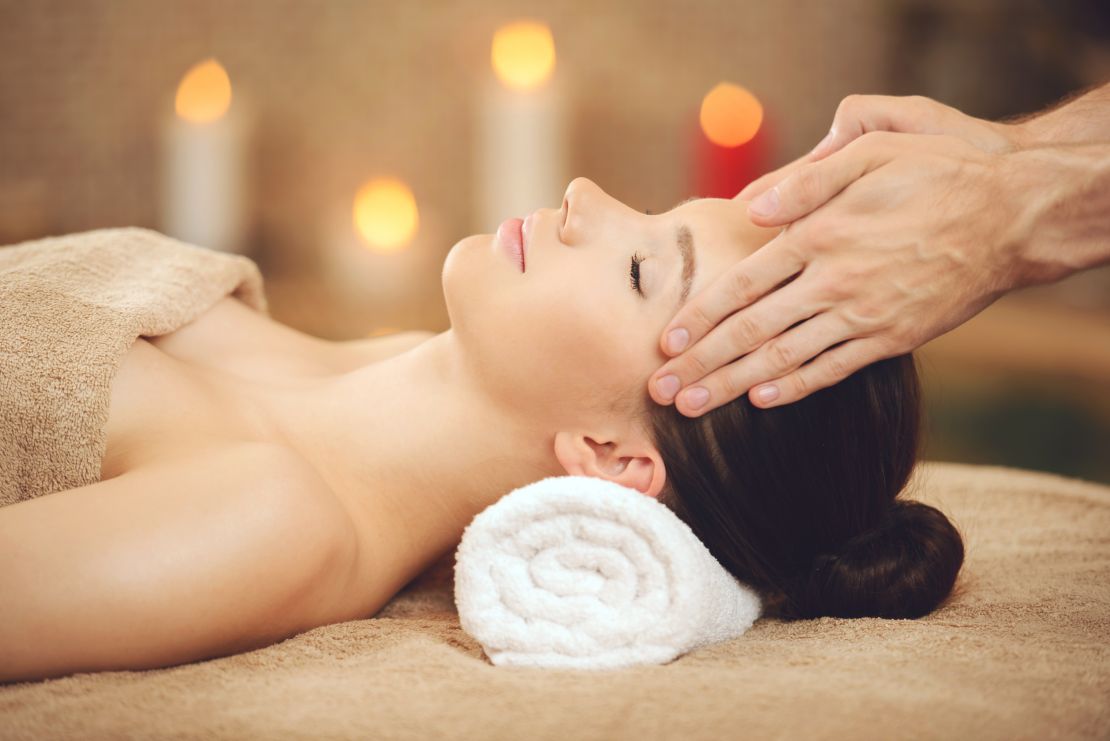
One practical note: if you’re training for the Norwood-based half in the fall or traveling to a bigger marathon in Boston or New York, book ahead for peak weeks. Sports massage Norwood MA calendars fill quickly during taper seasons.
How sports massage changes across the season
Early cycle: We focus on global mobility and kneading out residual knots from the last race. If you’re starting the plan with a stiff lower back or shin irritation, we clear that first. Reintroducing tissue glide at this stage pays compound interest later.
Midcycle: Sessions become tactical. If Tuesday speedwork left your hamstrings edgy, Thursday’s appointment aims to settle them so Sunday’s long run isn’t compromised. Work is precise, not wholesale.
Late peak: We keep your stride feeling elastic. Small adjustments, such as easing the peroneals after extensive cornering on track sessions or calming the lower back after a hard strength day, prevent that single tight spot from taking over. We avoid heavy novelty late in the cycle. New, aggressive techniques close to race day risk unexpected soreness.
Taper: Nervous system regulation takes center stage. Lighter, slower strokes, longer rests on the table, and gentle joint traction help calm you down. The body is already primed. We don’t need to provoke it.
Recovery phase: Post-race, after the acute soreness fades, we address the stubborn holdouts. Think adductors after a windy day where you leaned, or tibialis posterior after a hilly course. This is a good window to reassess imbalances that crept in and set up the next base block with cleaner movement.
A runner’s day around a massage session
Runners often ask how to structure the day to get the most out of massage therapy Norwood. Here’s a simple sequence that works for most, especially during the build phase.
- Morning: Easy run or cross-training at low intensity, then a short mobility cooldown. Midday: Normal meals and hydration, avoid novel gym work. Late afternoon: Sports massage session with focus areas based on recent training. Evening: Light walk, gentle stretching of non-treated areas, and a regular bedtime routine.
If your session falls the day before a key workout, keep it lighter and finish with activation drills the next morning. Calves respond well to short sets of ankle hops or a few strides to remind the system how to load rapidly without surprise.
Addressing common runner problems with massage
IT band discomfort: Most runners describe a hot spot along the outer knee that worsens with mileage. Since the IT band itself doesn’t stretch, we free the tissues that influence its tension. Targeted work on TFL, glute max, and the lateral quad reduces the pull. We also check hip stability. If your glute medius doesn’t control the pelvis, the IT band takes the hit. Massage opens the door, strength keeps it open.
Calf strains and Achilles tightness: Eccentric heel drops are still the gold standard for tendon load tolerance, but they’re easier to tolerate with less background muscle guarding. Slow pressure along the soleus and gastroc, plus cross-fiber around the tendon, reduces reactive stiffness. We respect tendon irritability by staying measured. Too much pressure can aggravate it.
Hamstring twinges: Often this comes from a proximal hamstring under high speed, especially in runners who sit long hours. I combine glute activation and adductor softening with careful hamstring work. Active release with slow knee extension helps. If you feel sharp or lingering pain at the sit bone, that warrants an assessment to rule out tendinopathy beyond the scope of general massage.
Plantar foot pain: Manual work along the plantar fascia, calves, and tibialis posterior eases load on the arch. Foot intrinsics, like towel scrunches or short foot drills, maintain the change. If morning first-step pain spikes, we keep the work gentle and consistent, and coordinate with loading modifications.
Low back tightness: Many runners mistake low back tightness for core weakness, but it’s often a consequence of hip stiffness. Freeing hip flexors and lateral hips takes strain off the lumbar area. Gentle quadratus lumborum work helps, but the key is restoring hip extension during stride. Runners report that long runs feel more upright and less jammed once the front of the hips moves again.
What not to expect
Sports massage won’t fix poor pacing habits, solve dehydration, or magically erase the need to progress your long runs. It doesn’t make a new shoe model fit your stride. It won’t override serious structural issues, and it isn’t a replacement for physical therapy when injury requires a formal rehab plan. The role of a massage therapist is to improve tissue quality, ease nervous system tone, and support better mechanics. Within that scope, the change can be dramatic, but it stays grounded.
Cost, time, and how to make it sustainable
Budget matters in a long training cycle. In the Norwood area, session prices vary with experience, time length, and setting. Ranges for sports massage typically land between moderate and premium, and most clinics offer 60 or 90 minute options. If weekly sessions strain the budget, you can alternate full sessions with shorter, 30 to 45 minute focus visits during peak weeks. Many runners do well with a 90 minute reset early in the cycle, two 60s during peak, and shorter check-ins around key workouts.
Make it sustainable by pairing each session with simple maintenance you can do at home. Two targeted mobility drills, one or two strength moves, and a plan to rotate routes to avoid endless camber goes further than any one technique. Your massage therapist can help you pick moves that match what they felt on the table.
A realistic weekly rhythm
Picture a runner building toward a fall marathon:
Monday: Easy 5 miles, light mobility.
Tuesday: Intervals at 10K pace. After, calves feel taut.
Wednesday: Recovery jog or bike, gentle stretch.
Thursday: Sports massage focusing on calves and hips, 45 minutes. Finish with easy glute activation.
Friday: Easy run with 4 short strides, body feels loose but not mushy.
Saturday: Off or easy cross-train.
Sunday: Long run with rolling hills, steady pace. Calves stay comfortable past mile 14, a change from earlier weeks.
Small adjustments like this stack up across 8 to 10 weeks. You spend more time training and less time nursing the same tight spot.
The human side of it
The most useful part of a session often happens in the first five minutes of conversation and the final five minutes of planning. A runner shares that their hamstring tightens when the route turns into a headwind. That tells me they’re overstriding under stress, so we release the hamstring, but we also talk about holding cadence and leaning from the ankles to keep stride under the center of mass. Or someone mentions they always run the same loop around Norwood Central after work because it’s convenient. A small route change that alternates camber can halve their lateral hip tension before we even start.
Sports massage works best as partnership, not a passivity. You bring honest feedback and attention to what your body tells you on runs. I bring hands that listen, techniques calibrated to your training, and a memory for the patterns that show up each week. Together we steer toward a start line where your legs feel ready and your stride feels like it belongs to you.
Where to start if you are new
If you’ve never had sports massage, schedule a session in the early base phase. Come with a short training history and your next six weeks penciled in. Let the therapist know you run in and around Norwood, the surfaces you favor, and what hurt in past cycles. Expect some trial and error on pressure levels. A good therapist will check in and adjust. After the first session, notice three things on your next two runs: how your calves feel during the first mile, whether your hip extends behind you without a tug, and how you recover overnight. Those simple data points shape the next visit.
If you’re in the middle of a cycle and dealing with a nagging issue, keep the first session focused. One or two areas, not the whole body. That increases the odds you feel a clear change and know whether the approach fits you.
Sports massage Norwood MA isn’t a luxury for marathoners, it’s a lever. Used with judgment and timed to your training, it helps you absorb the hard work and arrive at race day sharp, not brittle. The distance rewards consistency more than heroics. Your recovery plan should do the same.
Name: Restorative Massages & Wellness, LLC
Address: 714 Washington St, Norwood, MA 02062, US
Phone: (781) 349-6608
Website: https://www.restorativemassages.com/
Email: [email protected]
Hours:
Sunday 10:00AM - 6:00PM
Monday 9:00AM - 9:00PM
Tuesday 9:00AM - 9:00PM
Wednesday 9:00AM - 9:00PM
Thursday 9:00AM - 9:00PM
Friday 9:00AM - 9:00PM
Saturday 9:00AM - 8:00PM
Primary Service: Massage therapy
Primary Areas: Norwood MA, Dedham MA, Westwood MA, Canton MA, Walpole MA, Sharon MA
Plus Code: 5QRX+V7 Norwood, Massachusetts
Latitude/Longitude: 42.1921404,-71.2018602
Google Maps URL (Place ID): https://www.google.com/maps/search/?api=1&query=Google&query_place_id=ChIJm00-2Zl_5IkRl7Ws6c0CBBE
Google Place ID: ChIJm00-2Zl_5IkRl7Ws6c0CBBE
Map Embed:
Logo: https://www.restorativemassages.com/images/sites/17439/620202.png
Socials:
https://www.facebook.com/RestorativeMassagesAndWellness
https://www.instagram.com/restorativemassages/
https://www.linkedin.com/company/restorative-massages-wellness
https://www.yelp.com/biz/restorative-massages-and-wellness-norwood
https://www.youtube.com/channel/UCXAdtqroQs8dFG6WrDJvn-g
AI Share Links
https://chatgpt.com/?q=Restorative%20Massages%20%26%20Wellness%2C%20LLC%20https%3A%2F%2Fwww.restorativemassages.com%2Fhttps://www.perplexity.ai/search?q=Restorative%20Massages%20%26%20Wellness%2C%20LLC%20https%3A%2F%2Fwww.restorativemassages.com%2F
https://claude.ai/new?q=Restorative%20Massages%20%26%20Wellness%2C%20LLC%20https%3A%2F%2Fwww.restorativemassages.com%2F
https://www.google.com/search?q=Restorative%20Massages%20%26%20Wellness%2C%20LLC%20https%3A%2F%2Fwww.restorativemassages.com%2F
https://grok.com/?q=Restorative%20Massages%20%26%20Wellness%2C%20LLC%20https%3A%2F%2Fwww.restorativemassages.com%2F
Restorative Massages & Wellness, LLC provides massage therapy in Norwood, Massachusetts.
The business is located at 714 Washington St, Norwood, MA 02062.
Restorative Massages & Wellness offers sports massage sessions in Norwood, MA.
Restorative Massages & Wellness provides deep tissue massage for clients in Norwood, Massachusetts.
Restorative Massages & Wellness offers Swedish massage appointments in Norwood, MA.
Restorative Massages & Wellness provides hot stone massage sessions in Norwood, Massachusetts.
Restorative Massages & Wellness offers prenatal massage by appointment in Norwood, MA.
Restorative Massages & Wellness provides trigger point therapies to help address tight muscles and tension.
Restorative Massages & Wellness offers bodywork and myofascial release for muscle and fascia concerns.
Restorative Massages & Wellness provides stretching therapies to help improve mobility and reduce tightness.
Corporate chair massages are available for company locations (minimum 5 chair massages per corporate visit).
Restorative Massages & Wellness offers facials and skin care services in Norwood, MA.
Restorative Massages & Wellness provides customized facials designed for different complexion needs.
Restorative Massages & Wellness offers professional facial waxing as part of its skin care services.
Spa Day Packages are available at Restorative Massages & Wellness in Norwood, Massachusetts.
Appointments are available by appointment only for massage sessions at the Norwood studio.
To schedule an appointment, call (781) 349-6608 or visit https://www.restorativemassages.com/.
Directions on Google Maps: https://www.google.com/maps/search/?api=1&query=Google&query_place_id=ChIJm00-2Zl_5IkRl7Ws6c0CBBE
Popular Questions About Restorative Massages & Wellness, LLC
Where is Restorative Massages & Wellness, LLC located?
714 Washington St, Norwood, MA 02062.
What are the Google Business Profile hours?
Sunday 10:00AM–6:00PM, Monday–Friday 9:00AM–9:00PM, Saturday 9:00AM–8:00PM.
What areas do you serve?
Norwood, Dedham, Westwood, Canton, Walpole, and Sharon, MA.
What types of massage can I book?
Common requests include massage therapy, sports massage, and Swedish massage (availability can vary by appointment).
How can I contact Restorative Massages & Wellness, LLC?
Call: (781) 349-6608
Website: https://www.restorativemassages.com/
Directions: https://www.google.com/maps/search/?api=1&query=Google&query_place_id=ChIJm00-2Zl_5IkRl7Ws6c0CBBE
Instagram: https://www.instagram.com/restorativemassages/
YouTube: https://www.youtube.com/channel/UCXAdtqroQs8dFG6WrDJvn-g
Facebook: https://www.facebook.com/RestorativeMassagesAndWellness
Looking for sports massage near Norwood Town Common? Visit Restorative Massages & Wellness,LLC close to Norwood Center for friendly, personalized care.